Mahdi Hosseingholi
Stains of Fear
Material Agency in Fictional Film
Studium: MA Digital Communication Environments
Jahr: 2026
Mentor:innen: Dr. Arno Schubbach, Jiri Oplatek, Prof. Michael Renner
Credits: Benjamin Mertz, Daniel Buser (Actors) / Damian Derungs (Director of photography) / Ringailė Demšytė (Title font)
Web: https://www.mahdipictures.ch
E-Mail: info@mahdipictures.ch
Instagram: @mahdihosseingholi
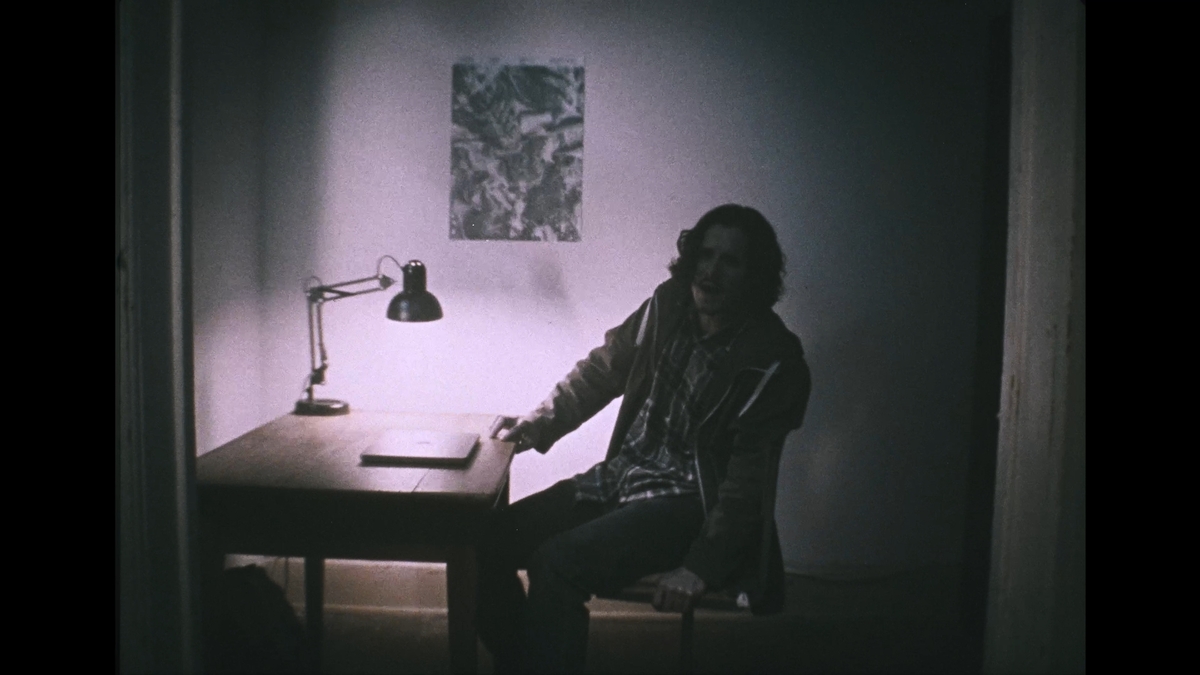
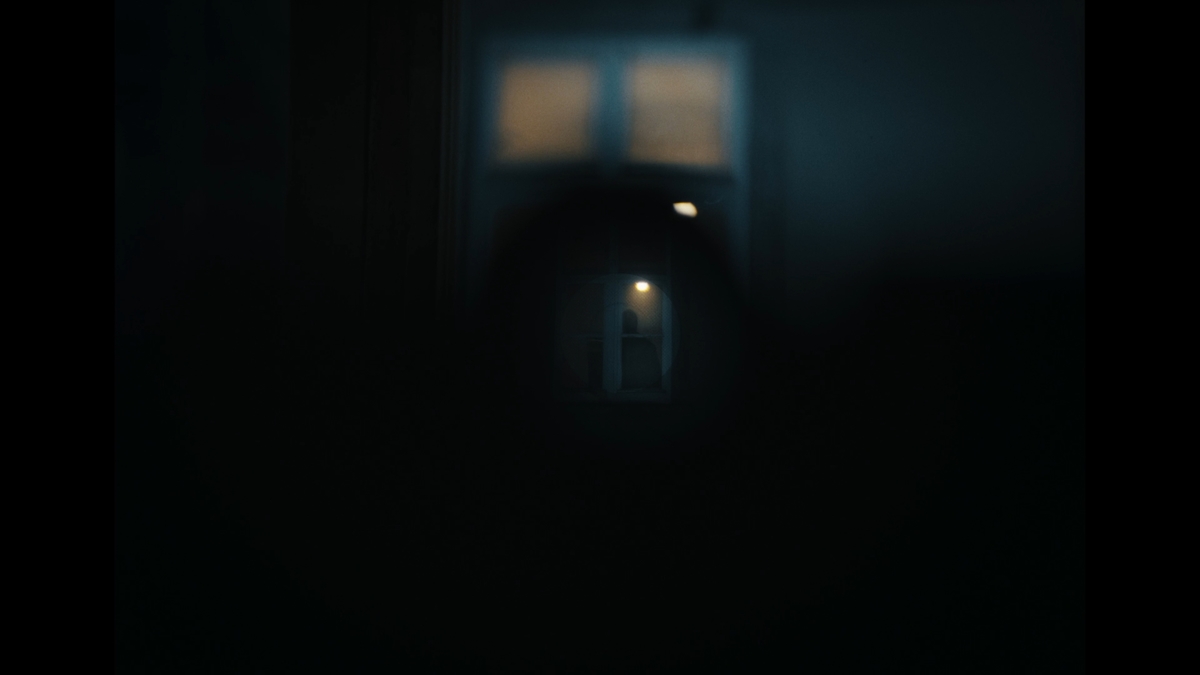
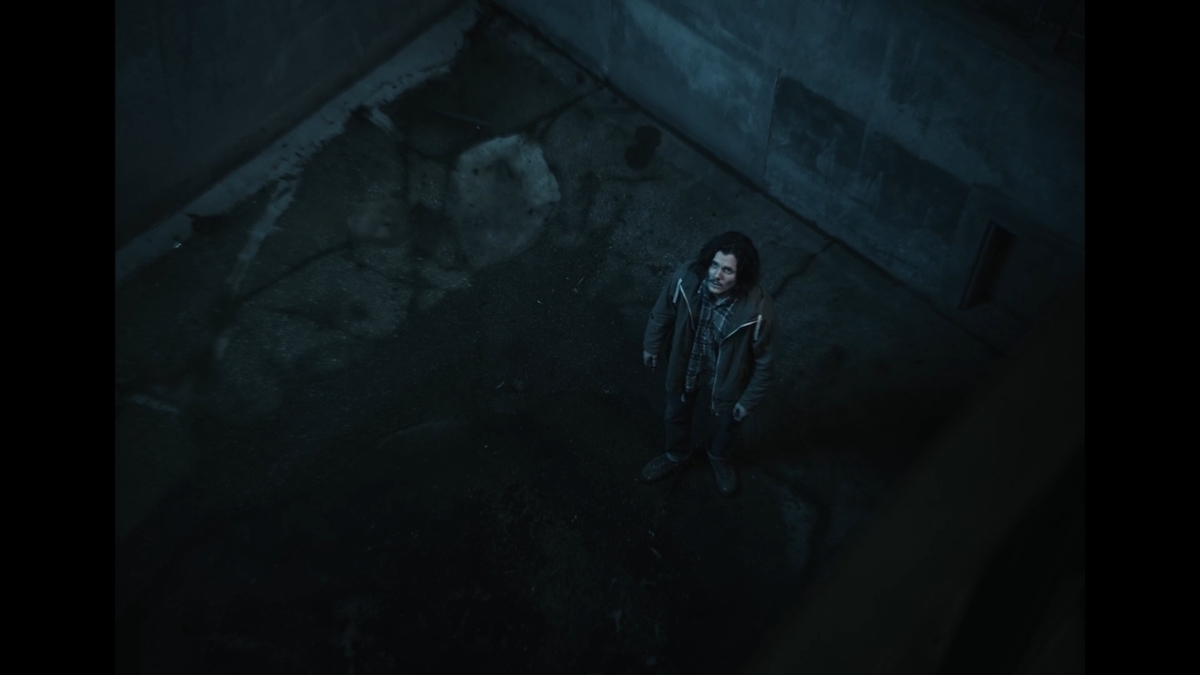
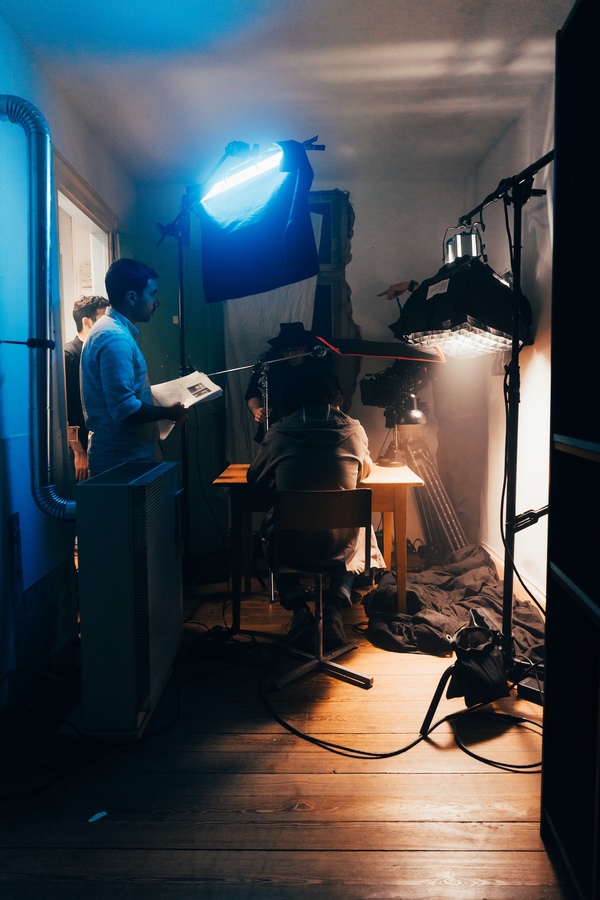
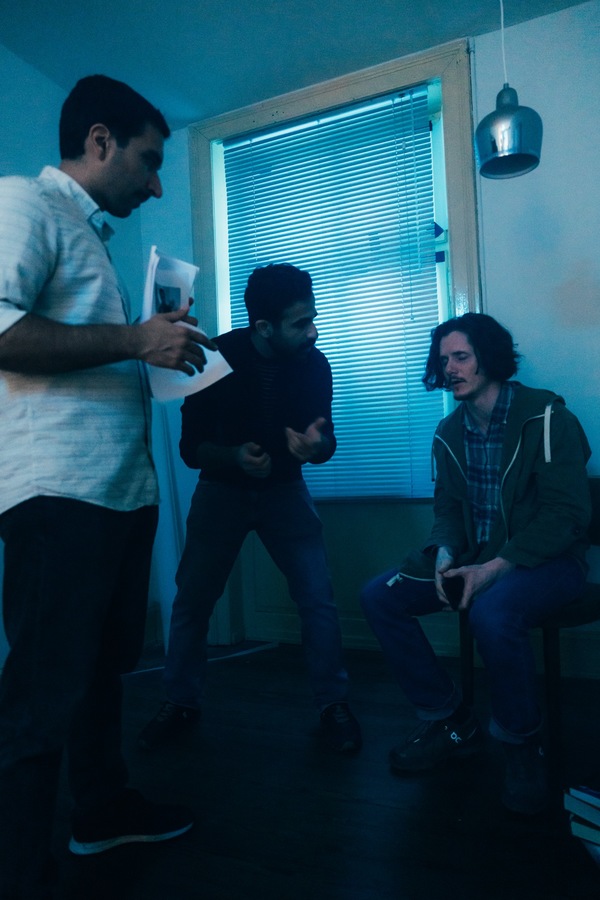
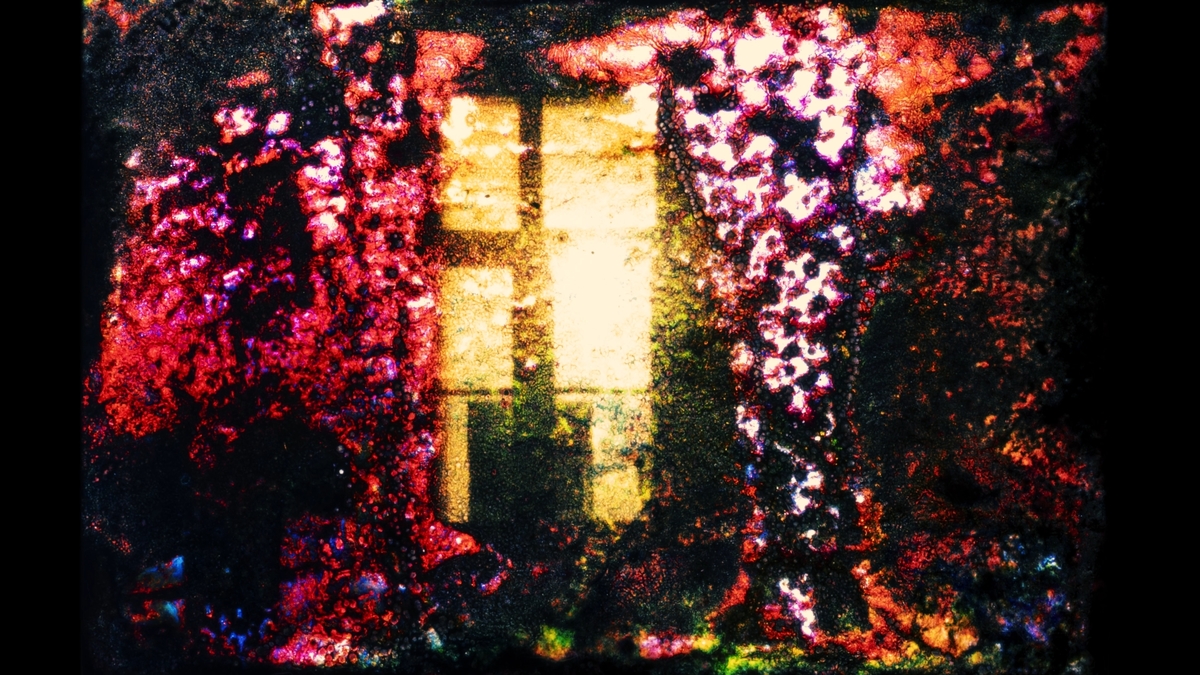
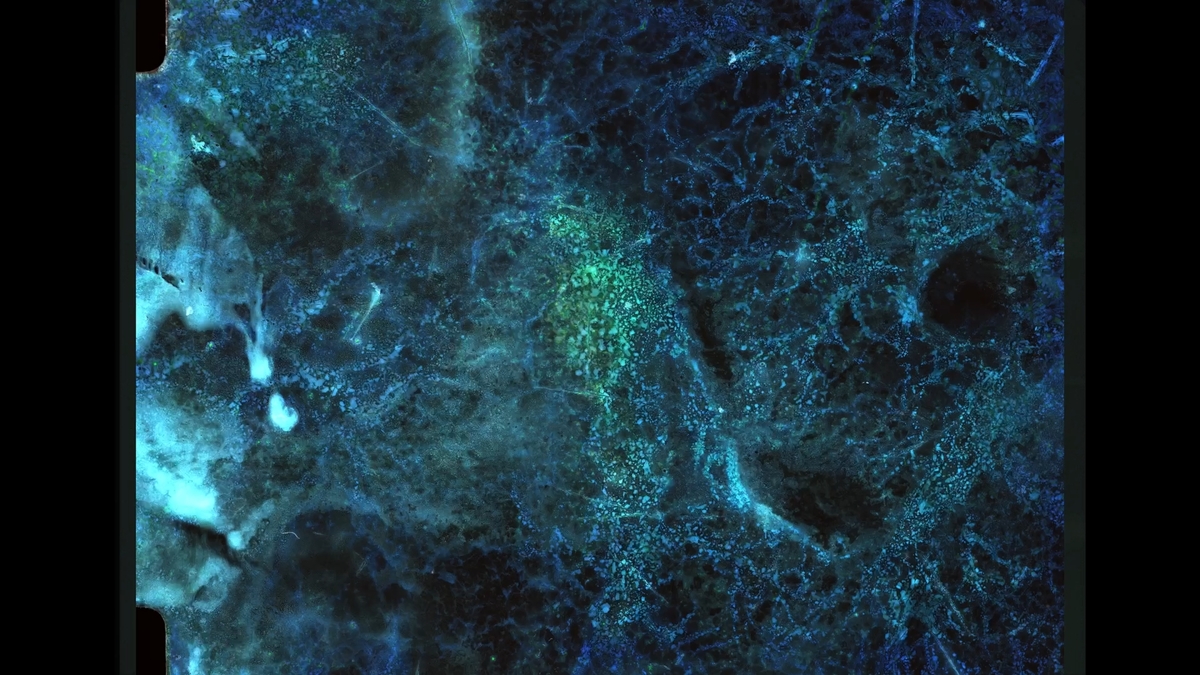
Stains of Fear is a short possession film co-directed with Mojtaba Zarghampour, and the shared object of two Master’s theses, his on how the film is narrated and mine on what it is made of. The mould in it is not an effect. It is a living organism, cultivated on photographic emulsion, feeding on the gelatin that holds the image.
Narrative cinema is built so that its images are looked through rather than at, and when the material shows, it reads as damage. Artists who have handed real authority to a material process have mostly left storytelling behind. After growing mould on found slides for Vestige in 2025, I wanted to know whether a living organism can act inside a fiction without shrinking into a surface effect or eating the story it grows on.
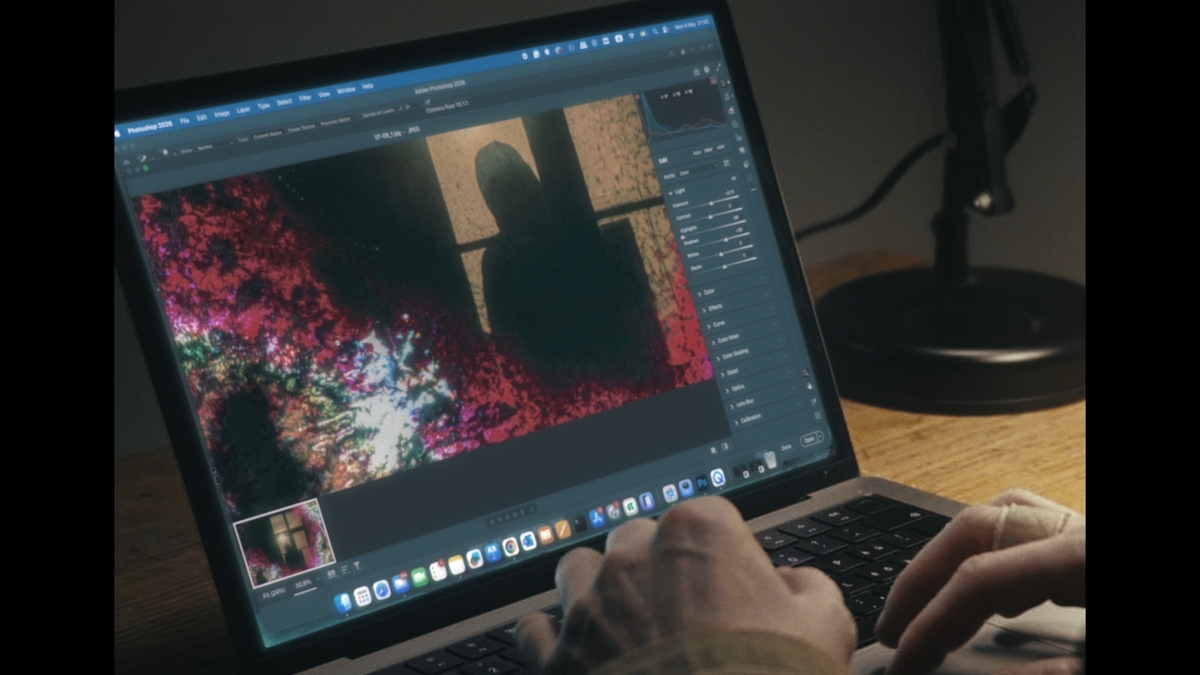
Cultivation tests across three film stocks looked for a photograph that stays readable while it is transformed. Ektachrome E100 did both, the scene still there and the surface already reformed. I call the feeding process the trophic event, and the scan that records the altered slide the second index, an image whose referent is no longer the scene but the material after the organism has worked on it.
Inside the film that trace becomes evidence the character examines, then a view the audience shares, then a formation crossing the 16mm frame lines. Growth was conditioned, never directed. I decided where the mould went and what stayed in the film. What it made there was its own. Mould offers a way to bring them together. It is alive, it feeds on the gelatin that holds the photographic image, and it leaves a record of its own growth in the same surface.
This Master’s thesis investigates whether such an organism can act in-side a fiction film without being reduced to a surface effect or consuming the image the story depends on. The practical exploration starts by experimenting with multiple materials, finding the conditions and means of this collaboration with mould as a nonhuman agent in the image-making process, and identifying which material suits the task.
The main outcome, the fiction film Stains of Fear, incorporates mould as an actant with a dramatic function in the story. The thesis also defines a basic visual grammar for this encounter, so that the film and the grammar together offer one worked case of closing that gap.